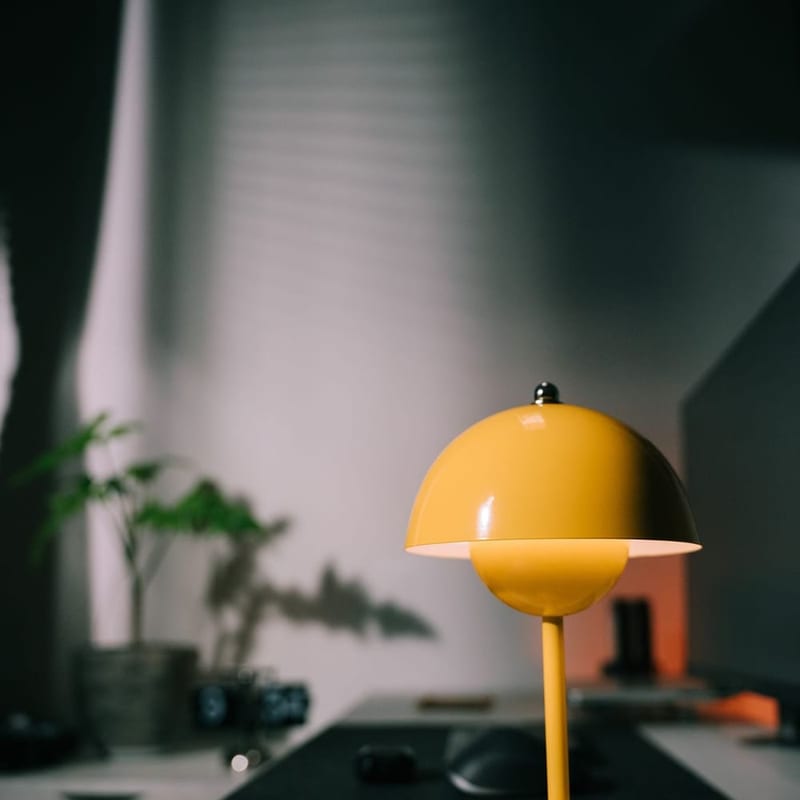
Scented candle
€59.00

Watts per square metre worked out from the dimensions, kits by kW, and the annual yield multiplied from the figure we write, with its source beside it.
The film runs without sound and stays still if you have turned on reduced motion in your system.
The same rows on every option: what is included, what is not, who is responsible.
| The kit only | Kit and installationMost chosen | Turnkey | |
|---|---|---|---|
| Who it is for | Anyone with an electrician | Houses with a simple roof | Anyone who wants no hassle |
| What the price includes | Panels, inverter, mounting, cabling | The kit plus labour and commissioning | Everything, including the grid connection file |
| Who installs it | You, with your electrician | Our own crew | Our own crew |
| Who handles the permits | You | You, with the documents from us | Us |
| Workmanship warranty | The product warranties | The product warranties plus the workmanship one | The product warranties plus the workmanship one |
Installation prices are quoted after we see the roof, not from a table.
What happens, in order, and how long each step takes.
The bill shows the annual consumption, the photo the orientation and the shading. Without them, any yield figure is a guess.
How many kWp, how many panels, which inverter and what yield comes out at your area’s figure — with the source written in the report.
The order goes through like any other in the shop, with an invoice and the warranties in order.
Mounting, panels, inverter and the board. The roof is left closed as it was found.
The checks, the inverter settings, then the documents for the connection. The timings here are not ours.
The durations are from our projects so far; the connection file depends on the grid operator, not on us.
Annual yield is not guessed: the system size is multiplied by the area’s yield per kWp. We write that figure with its source beside it, and where the source is missing we show no figure at all.
A south-facing roof and an east-facing one, with the same kit, give different yields. So do two neighbours, if one has a walnut tree in the yard.
The kit, the installation, the commissioning and the connection file. What is not up to us — the grid operator’s timings — is stated separately, so it does not read as a promise.
Wp, efficiency, voltage.
Worked out from the dimensions.
Product and performance.
Not from what fits on the roof.
What people ask us most often on the phone.
Cannot find your question? Write to us, we answer the same working day.
One email when pallet prices change or new inverters arrive.