Relief printing, hand-sewn paper
A workshop with three letterpresses and one screen frame: we print on cotton paper and on cloth, in runs of a few hundred.

This autumn's issue
We spent the summer looking for paper made in Europe and settled on two mills: one in Tuscany, which gives us a 300 gsm cotton paper with deckle edges, and one closer to home, which makes the recycled paper we print the workbooks on. Every run comes with a sheet giving the mill, the weight and the number of copies, because in ten years that is the only information that still matters.




The same plate, on paper and on cotton
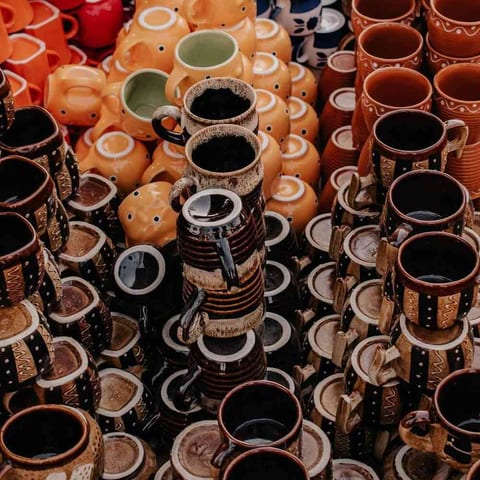
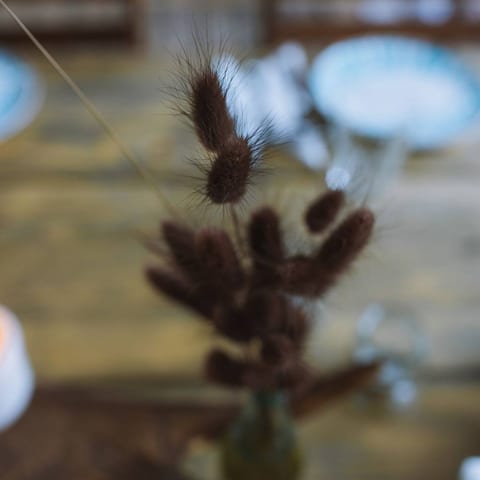
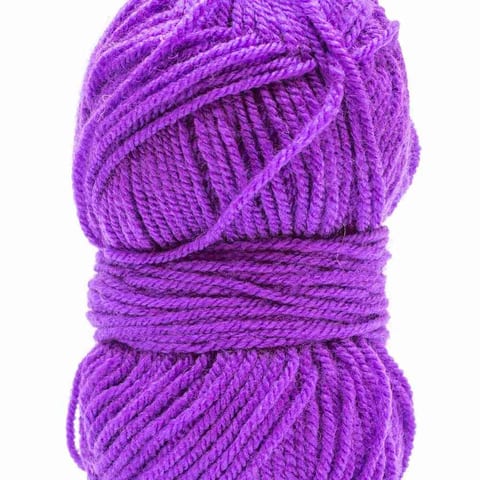
A drawing is engraved once and then pulled both on paper, at the press, and on cloth, through the screen. The colour comes out differently on the two, and you can see it in the photos: on cotton the ink sits flatter and warmer.
By printing technique


How a print is made

The plate and the impression
The drawing is transferred onto a photopolymer plate, then pulled on the letterpress. The impression leaves a relief you can feel with a finger; on thin paper it shows through on the back, so we do not print under 250 gsm.

Colour after colour
Each ink is a separate pass, with overnight drying between them. That is where the lead times come from: a three-colour print sits on the table for three days before it is signed and numbered.